On arrival day, everyone comes at once: guests who are too early for their room, attendees with a trolley straight from the station, wedding guests with a garment bag. A good luggage storage system needs three things: a clear place, an unambiguous assignment and a return process that holds up when everyone leaves.
This guide walks you through the process from check-in to return. It works for hotels, event venues, trade shows, congresses and celebrations with traveling guests.
Where luggage storage is needed
- Hotels: guests arrive before check-in or leave after check-out and want to make use of the day.
- Trade shows and congresses: attendees bring their luggage on the last day and head to the train right after the final session.
- Event venues: at conferences and corporate events, guests often arrive straight from their journey.
- Weddings and celebrations: guests travel from far away, and the luggage should not stand in the banquet hall.
The pattern is the same everywhere: luggage arrives spread out but leaves all at once. Plan for the return above all.
Step 1: Choose the place and the space
Suitcases take more room than coats and cannot be hung up. Choose a lockable or permanently staffed room close to the entrance or the reception. Keep escape routes and stairs clear.
Divide the space into areas: large suitcases, hand luggage and bags, special items such as garment bags or strollers. Clearly readable area numbers help your team at the return.
Step 2: Choose how items are assigned
Every item needs an identifier that links it clearly to the guest. Two approaches are common:
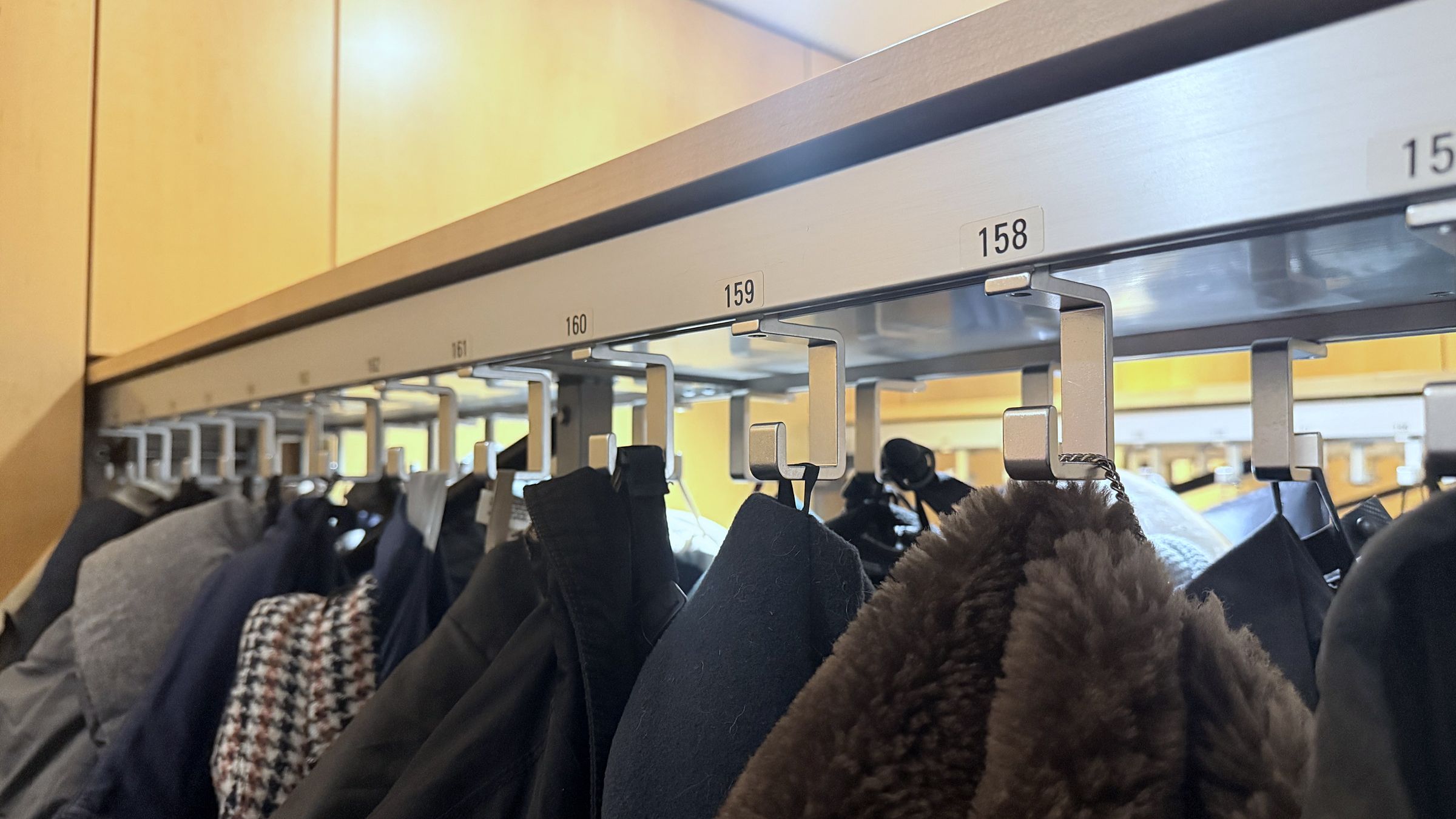
- Numbered storage spots: each spot has a number, and the guest receives that number. This works as long as every item stays in its spot.
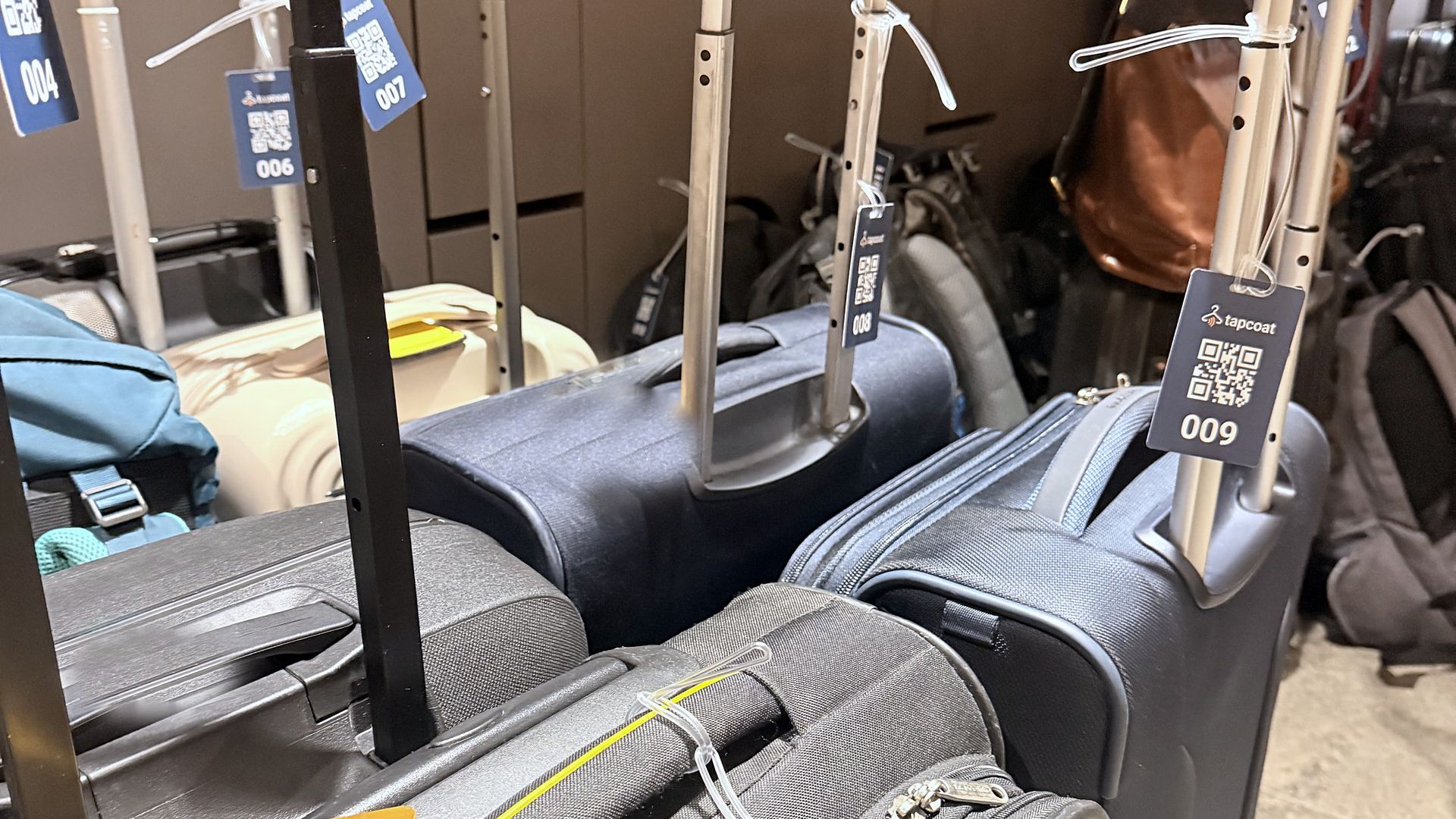
- An identifier on the item: the item itself carries the number. If it is moved, the number still matches the item.
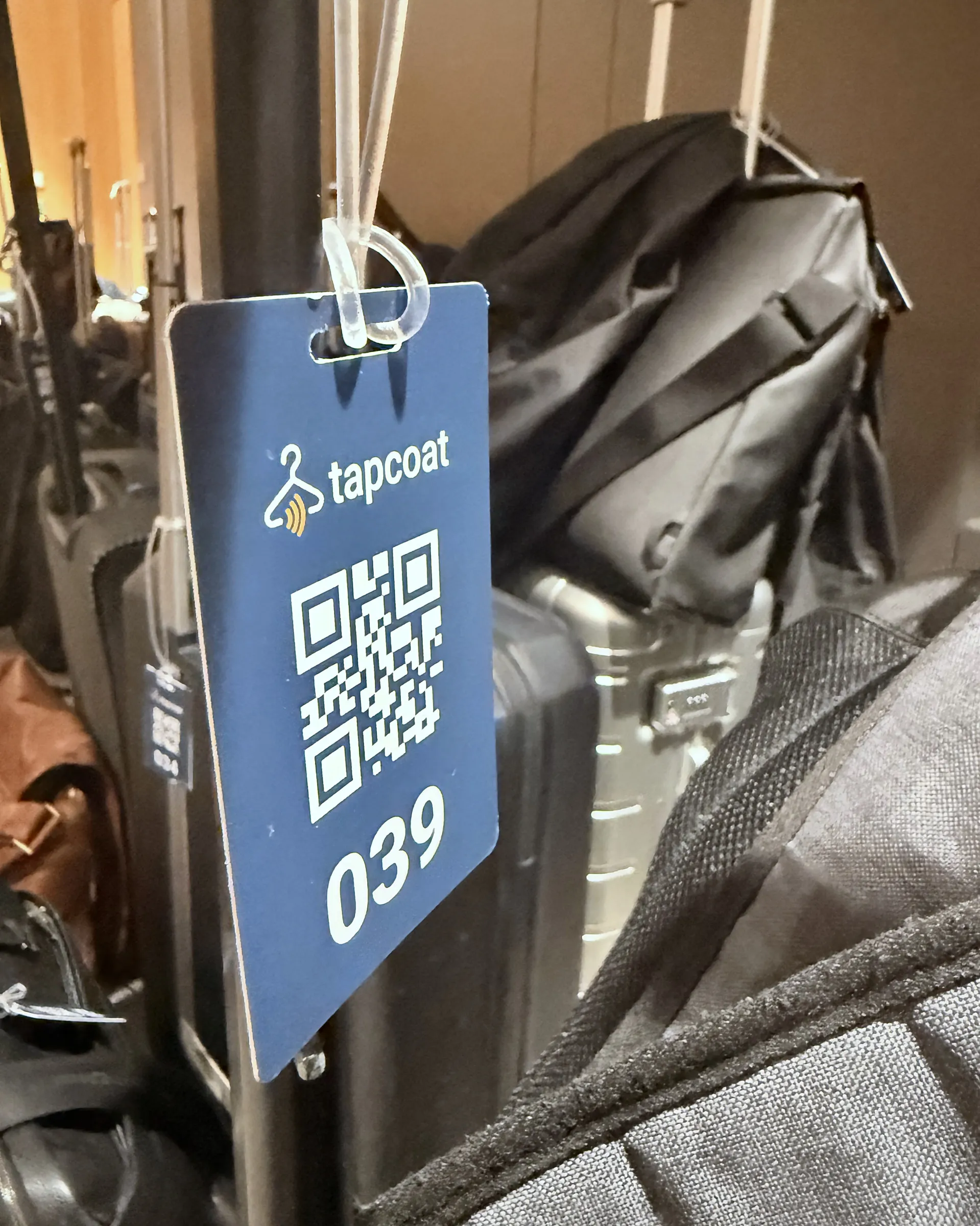
With tapcoat®, you can use both. The tapcoat luggage badges are numbered, carry a QR code and are reusable. If you prefer pre-numbered storage spots or your own number-based assignment, that still works.
Step 3: Run the check-in
Luggage check-in should be short. This is how it works with luggage badges:
- Your team attaches the badge to the suitcase or bag.
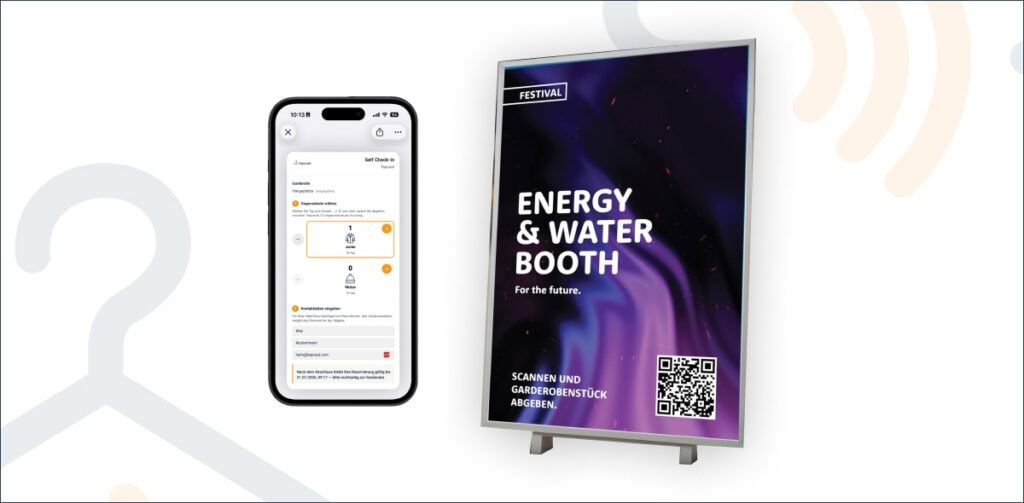
- They scan the code with the tapcoat app.
- The software assigns suitcases and bags in the app.
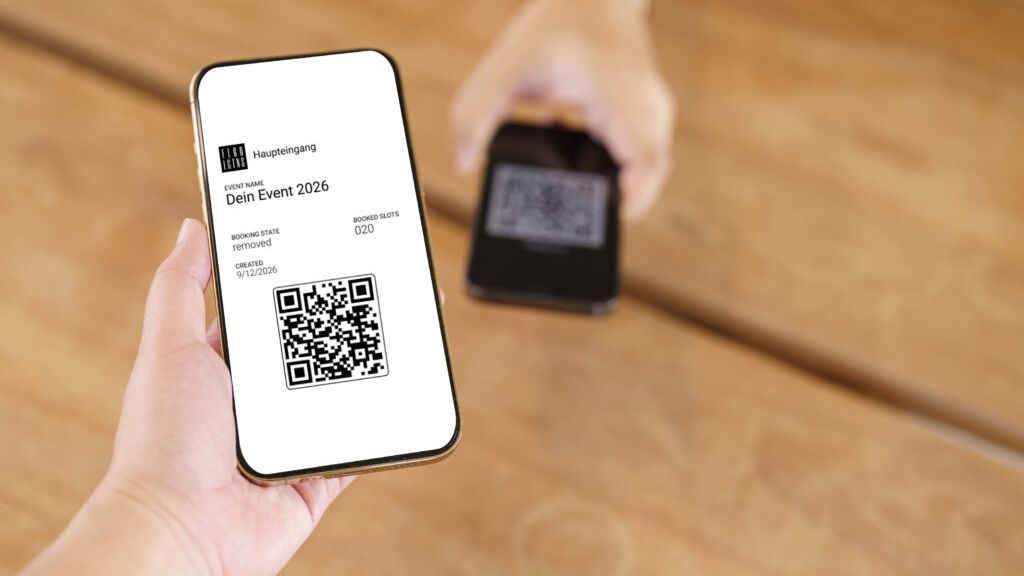
- The guest receives a wallet pass with their spot number.
Guests do not need the tapcoat app. They save the pass to Apple Wallet or Google Wallet or open it in the browser. The support center explains the details under Accepting an item (check-in). Read more about scanning under Scan Check-in.
If a guest hands in several items, you assign them to the same spot. You can set up suitcases, coats and bags as separate item types.
Step 4: Plan the return
The return is the bottleneck. After check-out, after the last session or at the end of the party, many guests want their luggage at the same time. At pickup, your team scans the pass and sees the spot.
Three levers take pressure off the return:
- A separate lane: split check-in and return if the space allows it.
- Pass at hand: a sign at the exit reminds guests to open their digital cloakroom pass while they queue.
- Know departure times: at trade shows and congresses, you know when the last session ends. Add staff to the return at that time.
Step 5: Settle special cases in advance
Before the day, put in writing:
- What do you accept and what not? Valuables, food, oversized items.
- What happens if a guest cannot find their pass?
- Where do items go that nobody collects?
- Who may collect luggage for someone else?
You will find typical cases and solutions in the support center under Special cases on site.
Common mistakes in luggage storage
- No fixed place: suitcases end up spread across the corridor, the bar or behind the reception.
- Assignment by spot only: an item gets moved, and the number no longer matches.
- Planning for check-in instead of return: there is time in the morning, then the queue builds in the afternoon.
- Luggage and cloakroom mixed up: coats and suitcases go through the same storage area.
- No rule for unclaimed items: at the end, nobody knows where they belong.
If you want a luggage storage system that holds up at departure time, go through this list with your team after every event.
Checklist for your luggage storage
- Room chosen, escape routes clear
- Areas for suitcases, bags and special items marked
- Assignment chosen: luggage badges or numbered storage spots
- Acceptance rules written down and displayed
- Return planned for the departure wave
- Rules for special cases and unclaimed items settled
Luggage and cloakroom in one system
Many venues run luggage storage and a cloakroom side by side, for example a hotel with a banquet or a trade show with a cloakroom. In tapcoat, you set up each station as its own cloakroom. The page on bellhop service software shows how this works in a hotel. For trade shows, see the page for trade shows.
Want to run your luggage storage without sorting paper slips? Sign up for tapcoat for free and set up your first cloakroom.