A good cloakroom barely gets noticed. A badly planned one shapes the whole evening: a line at the entrance, a crush on the way out, annoyed guests. If you want to know how to run a coat check that holds up, you need four things: an estimate of the items, enough space, a team of the right size and a plan for peak times.
This guide shows you how to derive each of these from your own numbers. General rules of thumb are of little use, because a winter trade show audience checks items differently from a summer concert crowd.
Step 1: Estimate items, not just guests
The number of guests alone says little. What matters is how many items actually end up at the cloakroom. Three questions help you estimate:
- Season and weather: In winter, almost everyone checks a coat, often with a scarf and a bag. In summer, it is more likely to be bags and backpacks.
- Audience and occasion: At a gala or a congress, more guests check items than at a club night where many arrive lightly dressed.
- House rules: If large bags are not allowed in the hall, the number of items rises noticeably.
The best basis is data from past events. If you have worked with paper tags so far, count the tags you handed out. If you work digitally, you can see the number of check-ins in the dashboard. Note the number of guests, the weather and the number of drop-offs for every event. After a few events, you will have a reliable rate for your venue.
Step 2: Plan space and hanger locations
The number of items tells you how many hanger locations you need. Add a buffer, because some guests check more than one item.
Pay attention to three zones:
- Waiting area in front of the counter: The line must not block the entrance, escape routes or stairs. Queue barriers or belts give it a direction.
- Counter: Each station needs space to set down the item and room for the device your team works with.
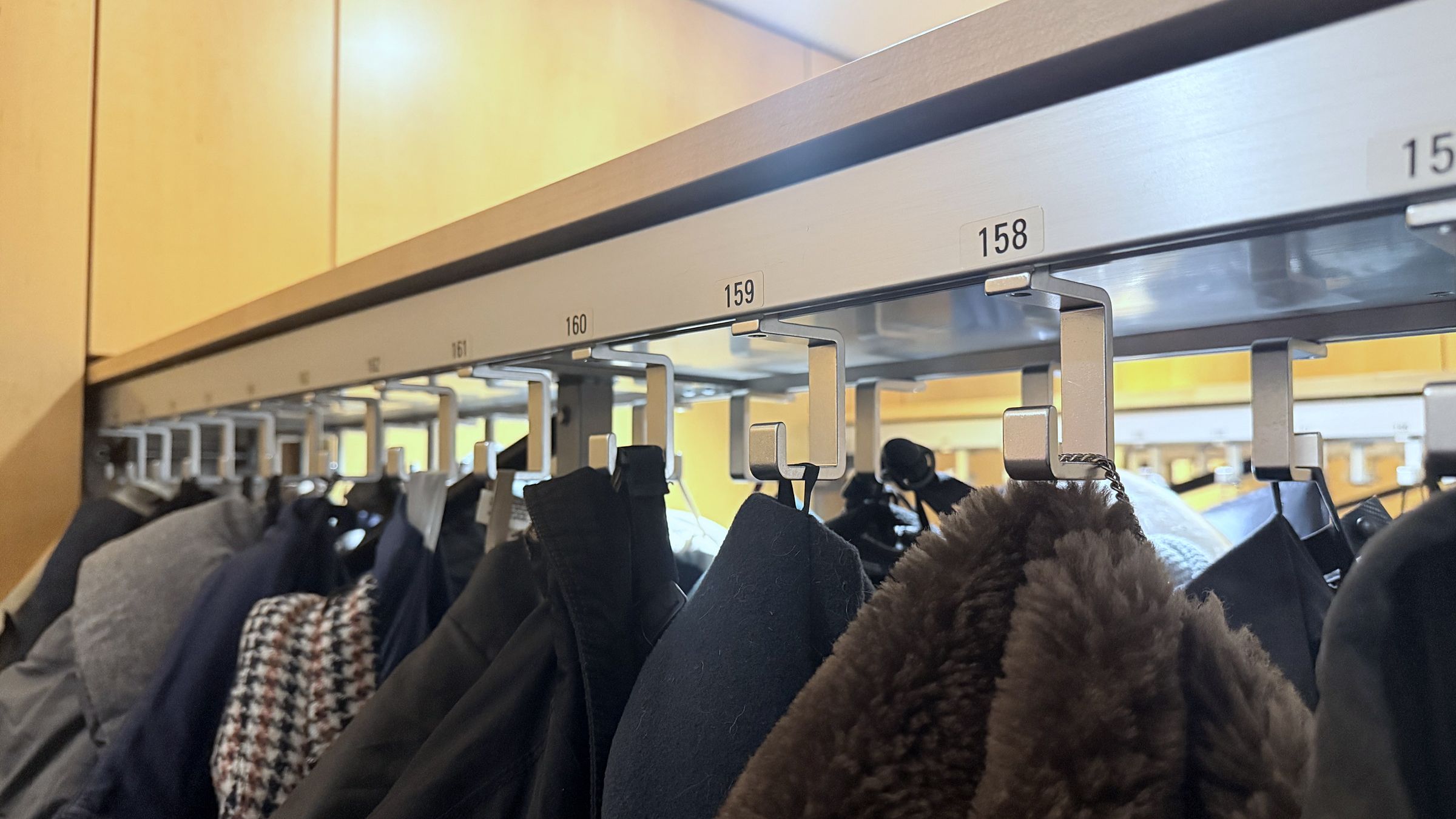
- Hanging area: Short distances between counter and rails save time at every drop-off and pickup. Number the rails so they are easy to read.
Bags, helmets, suitcases and umbrellas need their own compartments. Decide in advance what you accept and what you don’t, and post that rule where everyone can see it.
Step 3: Match stations and team to peak times
The cloakroom hits its limit twice: just after doors open and at the end. In between, it is often quiet. So plan for the peak, not the average.
Here is how:
- Estimate the peak: How many guests arrive in the first hour? How many leave in the last half hour? At theaters and concerts, almost the entire audience picks up right after the end.
- Measure what one station handles: At one of your own events, measure how many drop-offs one station manages in an hour. This figure is your most important planning factor.
- Derive the stations: Divide the drop-offs at the peak by the output per station. The result is the number of stations you should have open at peak times.
More stations only help if distances stay short. Two counters at separate entrances often relieve more pressure than four spots side by side in one place. For staff planning in detail, read the support article Plan capacities and peak times.
Step 4: Spread out pickup
Drop-off is spread across the time doors are open. Pickup hits you all at once. A few levers help:
- Separate pickup: At the end, set up a dedicated lane for pickup only.
- Split number ranges: If every station has a fixed range of hanger locations, guests know where to line up.
- Use the program: An encore, a closing drink at the bar or an announcement spreads departures over a longer period.
- Tag at the ready: Guests who already have their tag in hand hold up the counter for less time. A sign on the way to the exit helps.
Step 5: Settle special cases in advance
On the night itself, there is no time for questions of principle. So clarify beforehand:
- What happens if a guest has lost their tag?
- Who decides on handing out an item if details are unclear?
- Where do items left behind go after the event?
- What does your team do when the cloakroom is full?
Write the answers on one page and give it to everyone at the counter. Typical cases and solutions are also in the support center under Special cases on site.
Winter trade shows and large events: when everyone checks a coat
In winter, the numbers change. Almost everyone arrives with a coat, many with a scarf, hat and bag as well. At trade shows, add rolling suitcases and bags of brochures. If you are working out how to run a coat check in December or January, don’t simply carry over your summer figures.
Three points deserve special attention at winter and large events:
- Wet clothing: Rain and snow make coats heavy and need space between hangers. Allow a little more room and make the floor in the hanging area slip-resistant.
- Several days: At multi-day trade shows, some guests leave items overnight. Decide in advance whether you allow this and how you mark these items. Notes on this are in the support center under Multi-day events.
- Pickup at closing time: At trade shows, many guests leave in the last hour. Open pickup at all stations in good time and announce where each area is collected.
Common mistakes in cloakroom planning
Many problems on the night start in the planning. These mistakes come up especially often:
- Planning for the average: The cloakroom is well staffed for the quiet middle of the evening, but not for doors and the end.
- One counter for everything: Drop-off and pickup run through the same spot and block each other.
- No data from the last event: Without figures, you repeat the same estimation errors.
- Special cases not settled: Every question ends up with the person in charge, and the counter stands still.
- Network not tested: If you work digitally, check the connection at the cloakroom before the event, not when doors open.
If you want to run a coat check that holds up at peak times, go through this list with your team after every event. Whatever got stuck last time is the most important information for next time.
Checklist for your cloakroom planning
- Drop-off rate from past events determined
- Hanger locations calculated with a buffer
- Waiting area, counter and hanging area defined, escape routes clear
- Output per station measured or carefully estimated
- Stations and team matched to doors and the end
- Separate lane for pickup planned
- Rules for special cases written down
- Process for items left behind clarified
Where a digital cloakroom makes planning easier
With paper tags, a lot of planning is gut feeling. A digital cloakroom gives you the figures you need for the next event.
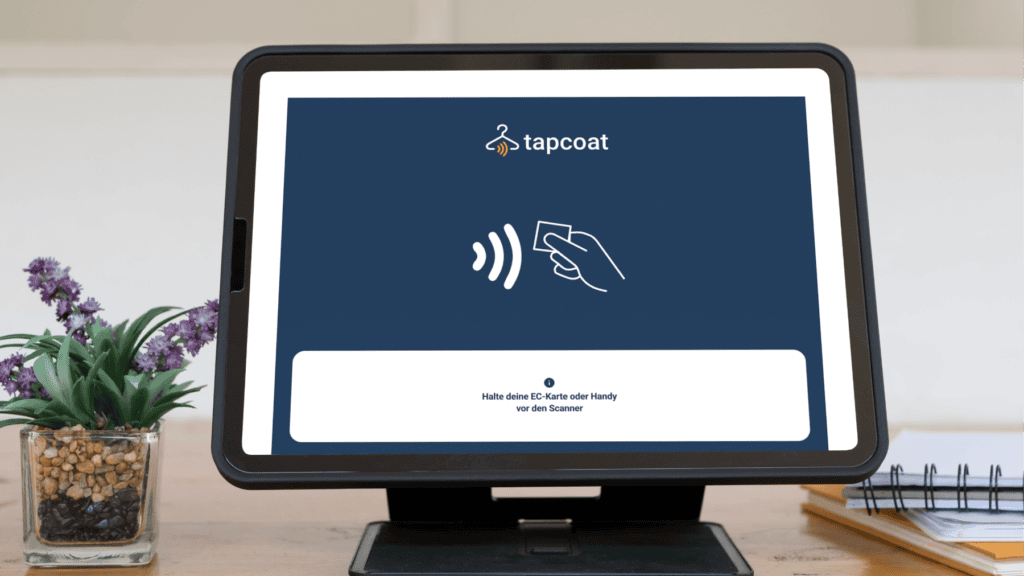
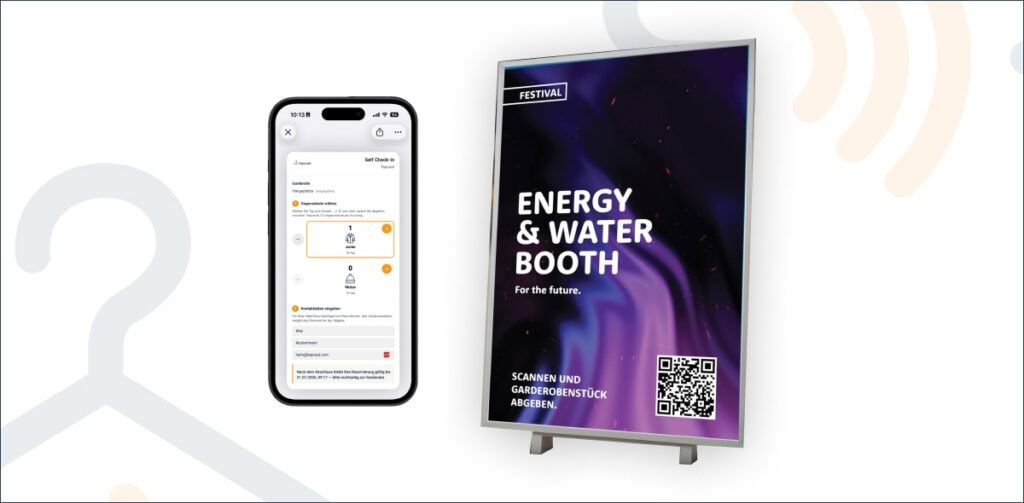
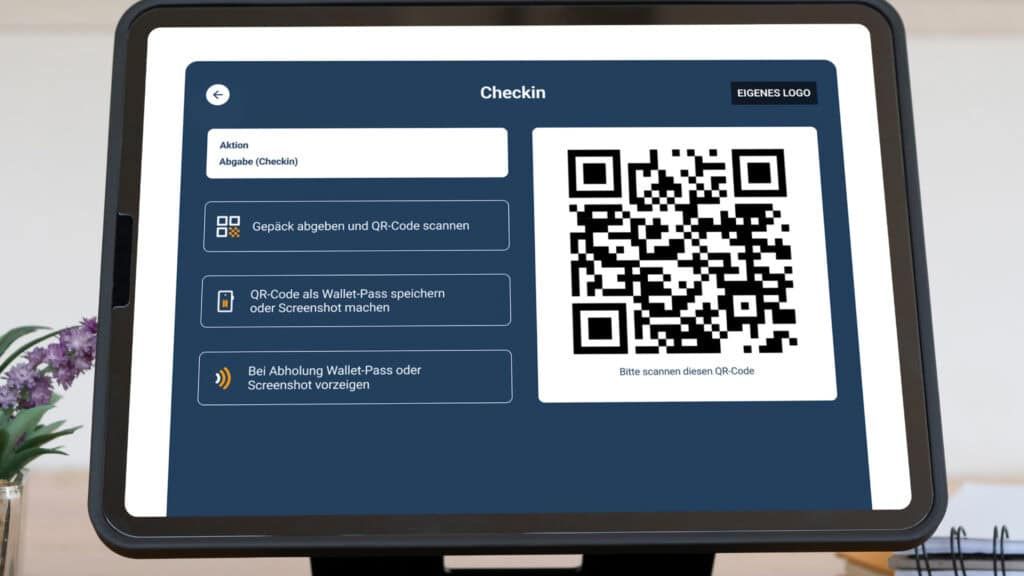
In tapcoat®, the assigned hanger location number appears in the app after the scan. The same number is shown in the guest’s wallet pass. Guests don’t need the tapcoat app. They save the pass to Apple Wallet or Google Wallet, or open it in their browser. In the central dashboard, you can see how the cloakroom fills up. If you like, you can set up a capacity warning: you set the threshold when you create the cloakroom, and the app then alerts your team.
For recurring formats, you don’t have to start from scratch every time. You set up a cloakroom once and assign it to each new event. This helps event venues with many events a month in particular.
Want to plan your next cloakroom with real numbers? Sign up for tapcoat for free and set up your first cloakroom.