
Does the cloakroom cost anything, and if so, how much? This question comes up at every new event. The coat check fee should cover costs but must not put guests off. And it has to be quick to handle at the counter.
You won’t find flat prices in this article. They would say little about your venue anyway. Instead, we show you how to derive the fee from your own costs, which models exist and what to look out for when collecting payment.
Step 1: Add up your costs
Before you think about a price, you need the costs per event. These items belong in the calculation:
- Staff: Hours of everyone at the counter and in the hanging area, including setup and teardown, multiplied by the hourly rate including additional employer costs.
- Space: If the cloakroom takes up space you could otherwise use differently, include a share of it.
- Materials: Rails, hangers, tags, numbers and signage, spread over the number of events you use them for.
- Software and devices: License, smartphones, network.
- Payment processing: Fees for card or digital payments.
- Losses and special cases: Time spent on lost tags and lost items.
Step 2: Calculate the fee per item
The formula is simple:
Costs per event ÷ expected drop-offs = cost per item
Estimate the expected number of drop-offs from past events. Err on the side of caution. If fewer guests check items than planned, the cost per item rises.
Add a margin to the cost per item if you want. Whether the cloakroom should only cover its costs or also contribute to your result is your decision.
Then compare with practice: does the amount suit the ticket price and the audience? A round amount speeds up handling, especially with cash.
Common pricing models
| Model | How it works | Works well for |
|---|---|---|
| Per item | every jacket, every bag costs the fee | clubs, concerts |
| Flat fee per person | one amount, however many items | trade shows, congresses |
| Included in the ticket | fee is part of the admission price | galas, corporate events |
| Free | cloakroom as a service | hotels, theaters with subscribers |
| Tiered | coat and bag at different prices | trade shows with lots of luggage |
What matters is that your guests understand the model before they reach the counter. A clear sign saves a lot of questions every night.
Displaying the price
Price display rules depend on the country. In Germany, if you offer the cloakroom to consumers, you must state the total price (Section 3 PAngV); for services, the ordinance also requires a price list at the place where the service is offered (Section 12 PAngV). In practice, that means: the coat check fee is clearly visible at the counter and ideally also on the event page or in the ticket shop. This article is not legal advice. Clarify the details for your country with your legal advisor, especially if you want to make checking items mandatory.
Cash, card or digital?
The payment method determines how fast your counter runs:
- Cash: Change, counting at the end of the shift, cash at peak times. A round amount helps.
- Card terminal: fast, but another device at the counter.
- Digital payment: The guest pays on their smartphone. Your team doesn’t need to keep change ready.
Clarify tax questions about the coat check fee, such as VAT or record-keeping, with your tax advisor.
Tips at the coat check
At many cloakrooms, tips are part of the job. Decide in advance whether you allow them, how they are collected and how they are shared within the team. A clear rule prevents arguments at the end of the night. If you don’t want tips, say so on the sign at the counter.
What annoys guests about a coat check fee
Trouble at the cloakroom rarely comes from the amount alone. More often, it is about surprise or waiting time. These points often lead to discussions:
- Fee only visible at the counter: Guests who learn the price only after waiting in line feel caught off guard.
- Unclear rules: Does the bag cost extra? Does the scarf count? The clearer the sign, the fewer the questions.
- Cash only: Many guests don’t carry cash. Offer at least one cashless option.
- Payment slows the line: If paying takes longer than dropping off, the counter backs up.
How you design the fee is also a question of guest experience. A fair, clearly visible coat check fee with fast payment rarely becomes an issue.
Coat check fee in the ticket or separate?
If the fee is included in the ticket price, payment at the counter disappears completely. That speeds things up but spreads the cost across all guests, including those who don’t check anything. A separate fee is fairer for guests but takes time at the counter. Weigh up what matters more to you and review the effect after the first event.
Checklist for your coat check fee
- Costs per event for staff, space, materials, software and payment added up
- Expected drop-offs estimated from past events
- Cost per item calculated and compared with the ticket price
- Pricing model chosen and worded clearly
- Price visible at the counter and on the event page
- Payment methods defined
- Rule for tips agreed
- Legal and tax questions clarified with advisors
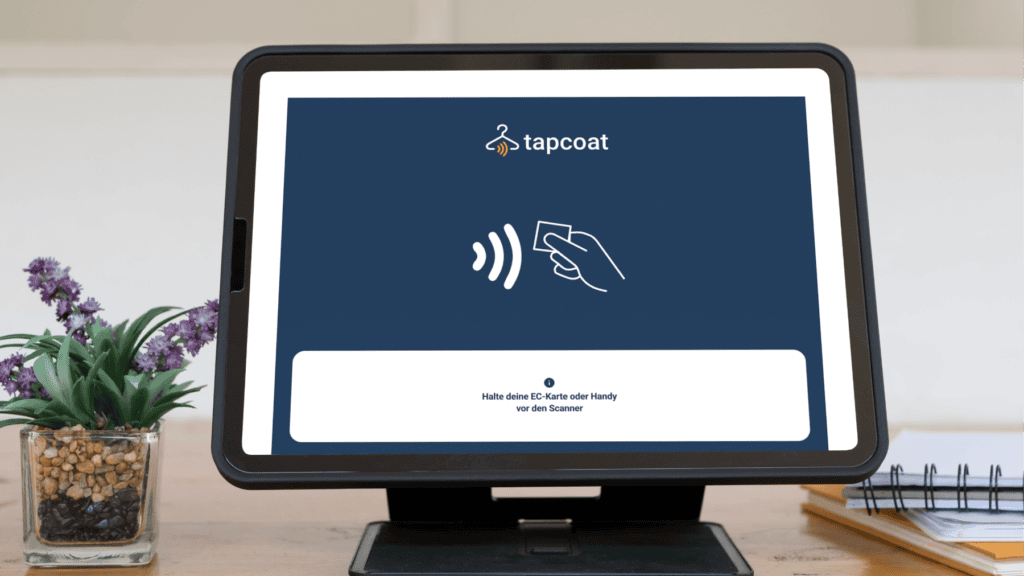
Cashless coat check fees with tapcoat
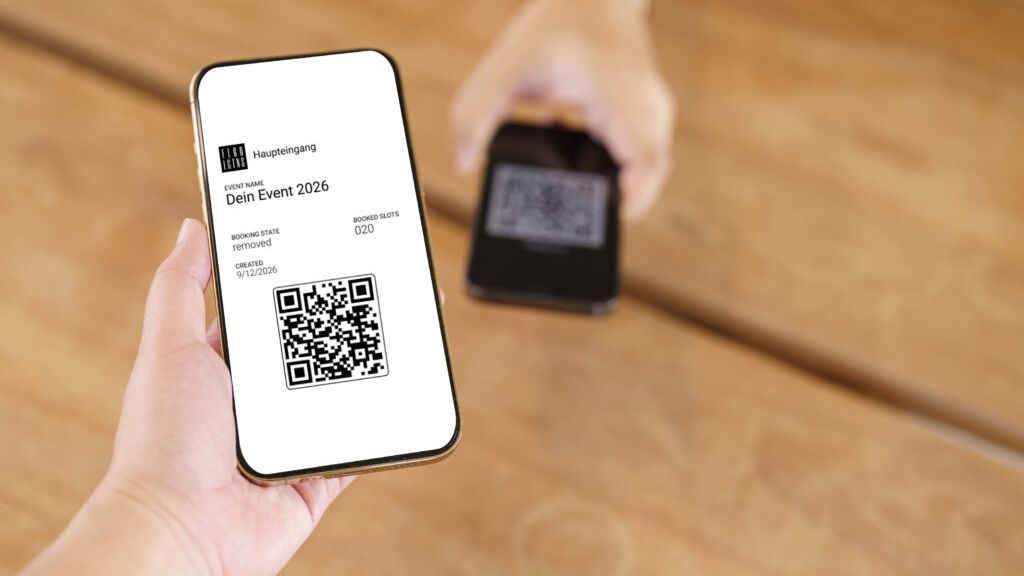
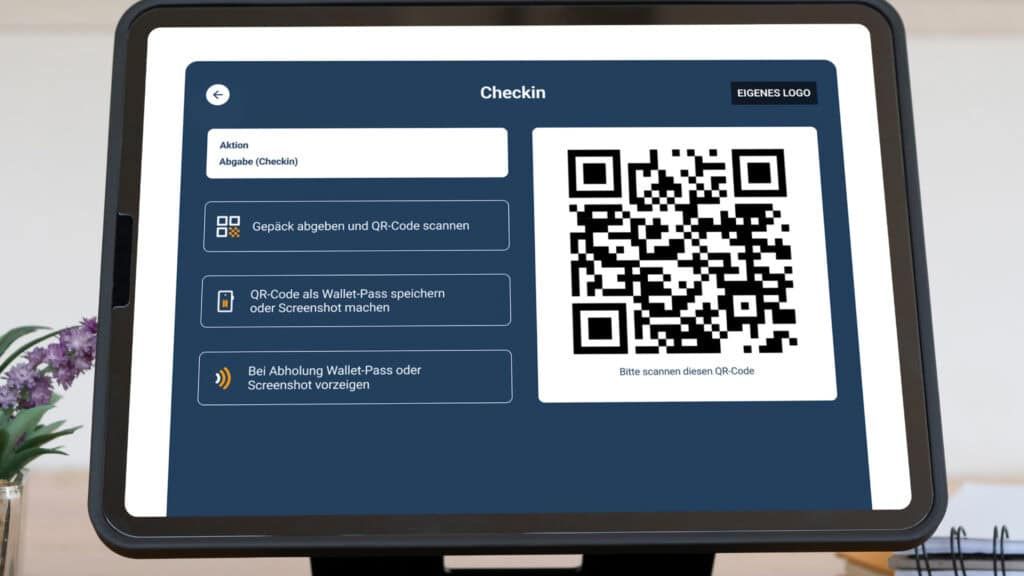
With online payments in tapcoat, guests pay for the cloakroom without cash. Your guests pay at drop-off or up to pickup – you decide when. The money goes directly to you or your venue; tapcoat does not receive any guest payments. Before you can receive payments, you complete a payment verification. The support center explains how under Payment verification (KYC).
If you still accept cash, cash count support helps you count at the end of the shift. Cash count support is a counting aid. For the cash records required for tax purposes, you keep using your cash register system. You know the fees for payment features in advance: they are on the pricing page. For trade shows with guests from many countries, cashless payment is often the simpler route.
Want to handle your coat check fee without cash? Sign up for tapcoat for free and set up your first cloakroom.