
The best plan fails if the wrong people are at the counter at the wrong time. On many nights, your cloakroom staff are the first and the last people your guests talk to. Yet they are often planned last.
This article shows you how to split roles, schedule shifts around peak times and get temporary staff up to speed quickly. Whether event venue, theater or trade show: the basics are the same everywhere.
Separate roles clearly
At a small cloakroom, one person does everything. Beyond a certain size, it pays to split tasks. Three roles have proven themselves:
- Counter: takes items in, issues the tag, collects the cloakroom fee if you charge one, and hands items out at pickup.
- Hanging area: hangs up items, fetches them and keeps the rails in order. This role noticeably relieves the counter at peak times.
- Shift lead: handles special cases, steps in, keeps an eye on capacity and takes care of the handover at the end.
In large venues with several stations, each station gets its own counter and hanging team. The shift lead can be responsible for several stations.
Plan shifts by the curve, not the clock
The cloakroom has two peaks: doors and the end. In between, it is usually quiet. So plan your cloakroom staff along this curve:
- Setup: A small team prepares rails, numbers and devices.
- Doors: Full team until the flow of guests eases.
- Middle: Reduced team. Breaks belong in this phase.
- End: Full team again, in good time before the finish. At theaters and concerts, almost the entire audience picks up right after the end.
- Teardown and handover: Log items left behind, count cash, hand over the area.
How many people you need at the peak depends on the output per station. At one of your own events, measure how many drop-offs one station manages per hour. With that figure and the expected number of drop-offs, you can plan your next events much more precisely. There is a guide in the support center under Plan capacities and peak times.
Get temporary staff up to speed quickly
Many cloakrooms work with changing temporary staff. The briefing has to be short and still stick.
- One page instead of a manual: Drop-off, pickup, special cases and contact person on one sheet.
- Trial run: Let every new person take in and hand out a few items before guests arrive.
- Clear responsibility: Everyone knows whom to turn to when there is a problem.
- Few steps: The simpler the process, the fewer the errors. This is especially true for people who only work the counter a few nights a year.
Pay attention to language, too. If your audience is international, it helps if at least one person per shift speaks English.
Special cases: who decides what?
The biggest time sink at the counter is cases that don’t fit the pattern. Decide in advance who has the final say:
- Lost tag: What details does your team need before handing out an item? Who approves it?
- Cloakroom full: Who stops drop-off, and where do you send guests?
- Valuables: Do you accept laptops, cameras or jewelry or not?
- Items left behind: Who collects them at the end, who logs them, and where are they kept?
These rules belong on the briefing sheet. When in doubt, the shift lead decides, not the temporary worker at the counter.
Breaks, handover and closing
Cloakroom work is physical. Schedule breaks in the quiet middle and provide water and a place to sit. For the handover at the end of a shift:
- hand over open special cases verbally and in writing
- name full or closed areas
- for cash, count at the end of the shift and assign the amount to the right station
How this works in tapcoat® is described in the support center under End-of-day closing and shift handover. Cash count support in tapcoat is a counting aid. For the cash records required for tax purposes, you keep using your cash register system.
In-house team or service provider?
Many venues employ their own cloakroom staff, others book a staffing agency. Both have pros and cons.
In-house team:
- knows the venue, the routes and regular guests
- can be moved flexibly between cloakroom, bar and entry
- needs its own planning, briefing and cover for absences
Service provider:
- takes care of recruiting, cover and billing hours
- often brings experience from many events
- doesn’t automatically know your venue and your processes
Whichever you choose, you define the processes at your counter. Give a service provider your briefing sheet, your rules for special cases and a contact person on site. Allow time for a trial run the first time.
What makes good cloakroom staff
The work at the counter hardly requires specialist knowledge. A few qualities matter more, and you can look for them when selecting people:
- Calm at peak times: Staying friendly with a long line shapes the first impression of the evening.
- Order: A tidy hanging area saves more time at pickup than any amount of rushing.
- Clear language: Short announcements like “Please have your tag ready” help the whole line.
- Reliability: Whoever has agreed to work shows up. Still, plan a stand-in for the peak.
Good cloakroom staff are no accident. If you brief people well and plan fairly, they will come back for the next event.
Checklist for your cloakroom staff
- Roles defined: counter, hanging area, shift lead
- Staffing for doors and the end planned based on your own measurement
- Breaks scheduled in the middle
- Briefing sheet with processes and contact person created
- Trial run before doors planned
- Rules for special cases and valuables defined
- Handover and cash count arranged
How a digital cloakroom takes the load off your team
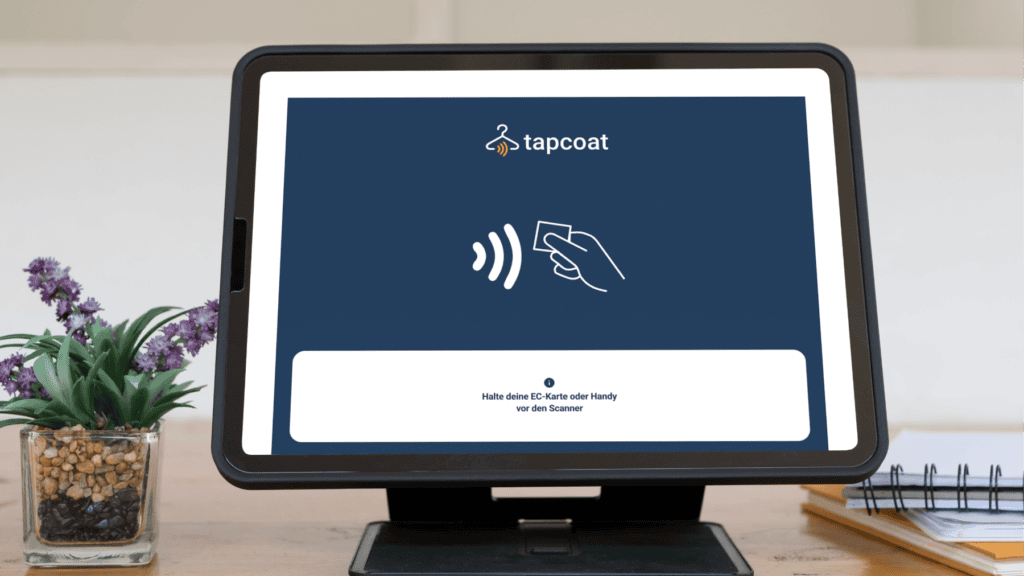
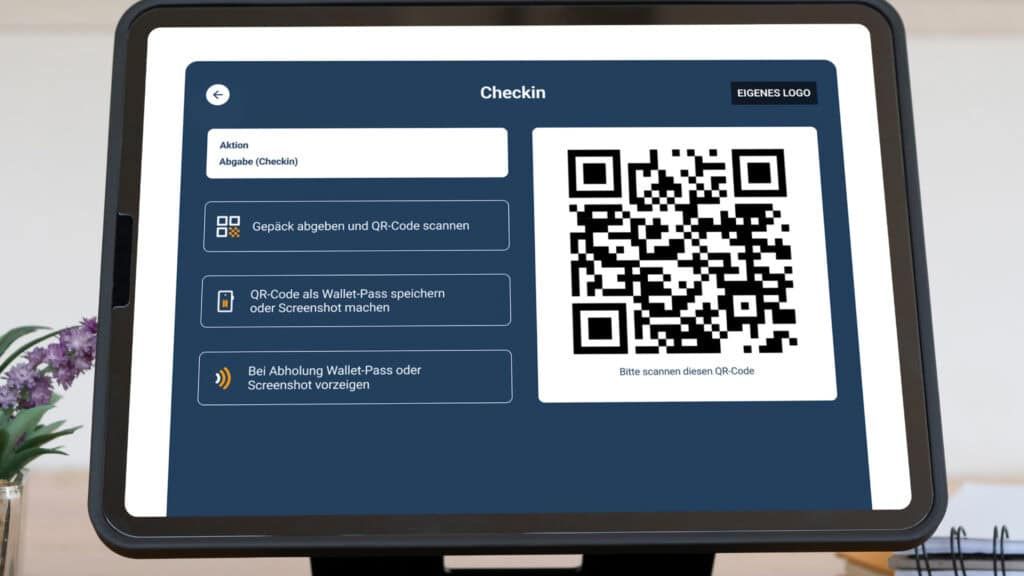
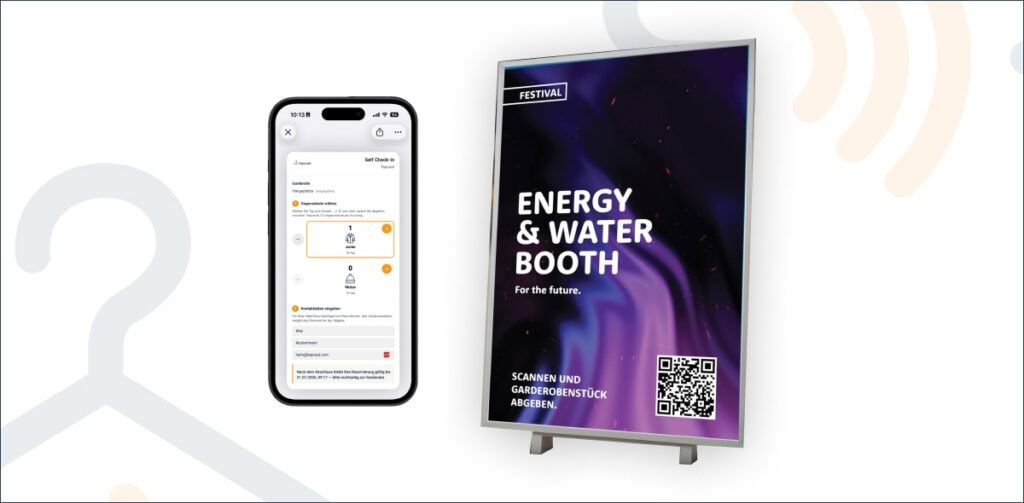
With paper tags, your team has to issue tags, match numbers and search when a tag gets lost. With tapcoat, your team scans at drop-off, and the app shows the hanger location number. The same number is shown in the guest’s wallet pass. That makes the process quick to understand for new people.
Every person working the cloakroom needs their own smartphone with the tapcoat app. You invite your team in the dashboard and assign the Manager or User role. The support article Invite staff members shows how. This pays off especially for venues with fixed routines such as theaters.
Want to send your team to the counter with a simple process? Sign up for tapcoat for free and try it at your next event.