The entrance shows whether an event has been well planned. Guests scan their ticket, go through security and, a few meters later, stand in front of the cloakroom. Yet many teams plan these two stations separately. Every venue knows the result: the cloakroom backs up, and the queue reaches back into the entrance.
Event entry management covers everything that happens between the door and the event area. This article shows you how to plan the cloakroom as part of it: routes, timing, staff and codes.
What event entry management covers
Depending on the event, these building blocks are part of it:
- Ticket and guest list check: scan, match against the list, accreditation
- Security check: bag check, house rules
- Routing: lines, signage, separate entrances
- Cloakroom: drop-off right after entry, pickup at the end
- Information: notes before the event, signage on site
The cloakroom is the building block that takes the most time per guest. At the same time, it is often planned last.
Plan routes: decouple cloakroom and entrance
The most important rule: the cloakroom line must not block the entrance.
- Set the order: Ticket first, then security, then cloakroom. That way, only checked guests reach the cloakroom.
- Create a buffer: There should be room for a line between entry and cloakroom that doesn’t back up.
- Separate routes: Guests without anything to check need a direct route into the hall. A sign saying “No cloakroom? This way” noticeably eases the line.
- Spread stations: In large venues, cloakrooms at several entrances help more than one large central cloakroom. How this works in tapcoat is described in the support center under Running multiple stations in parallel.
Plan timing: the same peak, two bottlenecks
Entry and cloakroom peak at the same time. At the end, the cloakroom has a second peak that the entrance doesn’t.
- Open doors earlier: Opening doors earlier spreads out arrivals and also relieves the cloakroom.
- Inform guests in advance: A note in the ticket email about when doors open and where the cloakroom is spreads arrivals further.
- Shift staff: People needed at the entrance can help at the cloakroom at the end, provided they know the process.
For planning the cloakroom at peak times, see the support center under Plan capacities and peak times.
Connect codes: one code for entry and cloakroom
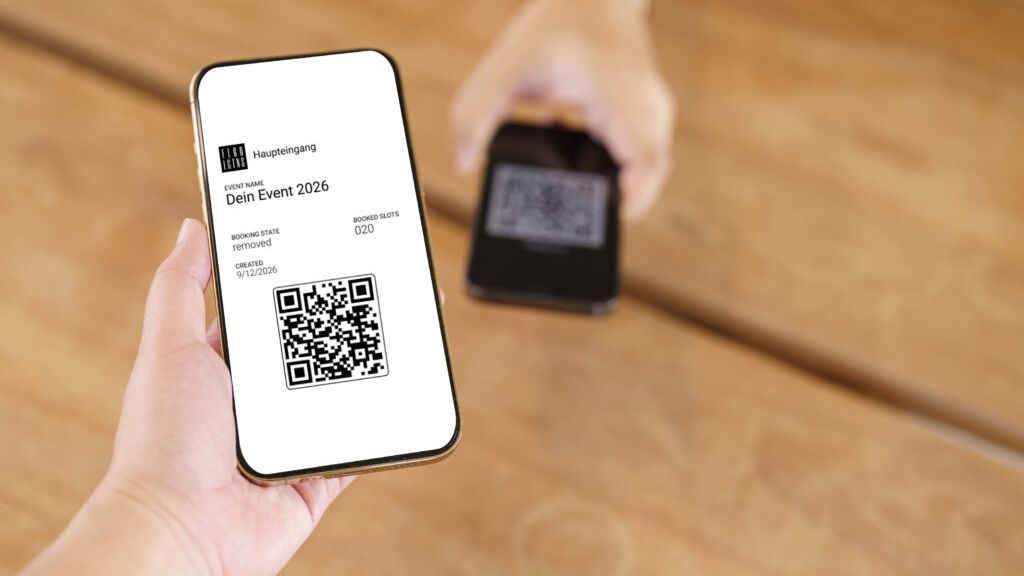
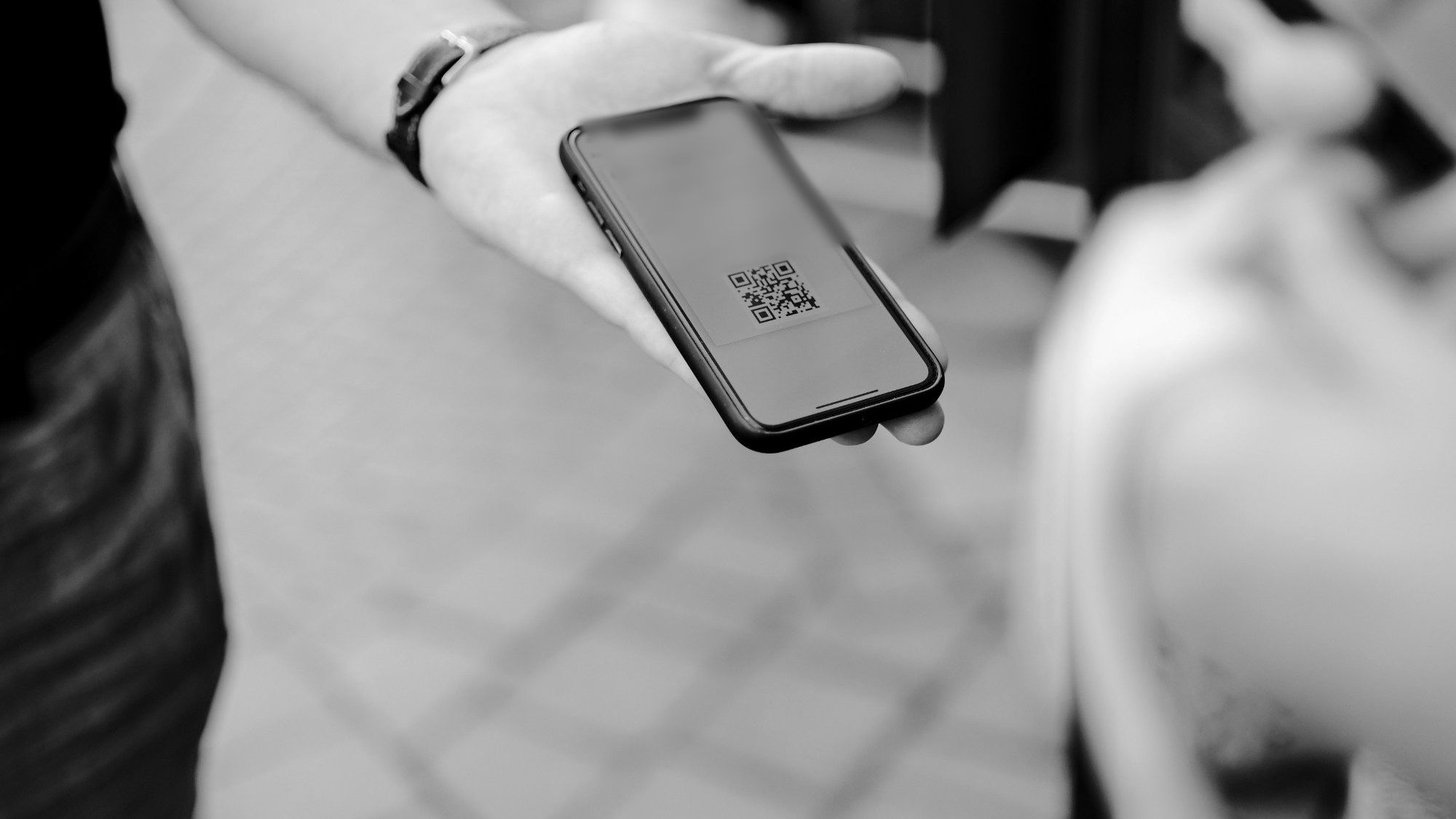
Many guests now arrive with a code on their smartphone: event ticket, trade show ticket, entry confirmation, guest list code. This code is scanned at the entrance. At a classic cloakroom, the guest then also gets a paper tag. That is a second step with a second medium.
If the existing code is also the cloakroom tag, this step disappears. At the cloakroom, the guest shows the same code as at the entrance. At pickup, the same code is enough again.
For this to work, the code has to be unique. Check with your ticketing in advance which codes your guests bring.
Staff and communication
Entry and cloakroom need shared communication:
- One radio channel or chat for both areas, so the entrance knows when the cloakroom is full.
- One contact person for both stations at peak times.
- A joint briefing, so everyone knows where things are and where to send guests.
Event entry management by event type
Every type of event places its own demands on entry and cloakroom:
- Trade shows and congresses: Accreditation, badges and trade show tickets shape the entry. Guests arrive throughout the day but leave all at once in the evening. Luggage and rolling suitcases need their own space at the cloakroom.
- Clubs: The entrance is often a bottleneck with door staff and security. The cloakroom peaks shortly after midnight and at the end of the night. Guests arrive in groups and often check items together.
- Theaters and concert halls: Almost all guests arrive in a short window before the start. Pickup is concentrated right after the performance. Subscribers know the routine; first-time visitors need signage.
- Stadiums and arenas: Many entrances, many stations. Distribution is key here: each station should be assigned to its entrance.
- Corporate events and galas: Guest lists and name badges define the entry. Guests expect calm, personal service at the cloakroom.
Good event entry management brings these differences together in one plan. The cloakroom belongs at the table when entry times, routes and staff are decided.
Checklist: event entry management with cloakroom
- Order of ticket, security, cloakroom set
- Room for the cloakroom line without backing up into the entrance
- Direct route for guests without a cloakroom signposted
- Door opening time aligned with the cloakroom
- Guests informed in advance about entry and cloakroom
- Guest codes checked: can they serve as cloakroom tags?
- Shared communication channel for entry and cloakroom
How tapcoat connects entry and cloakroom
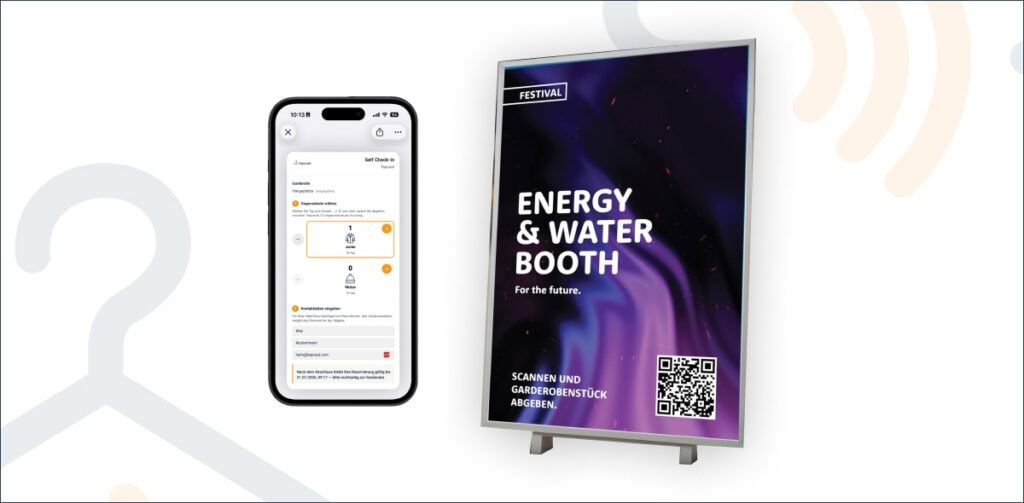
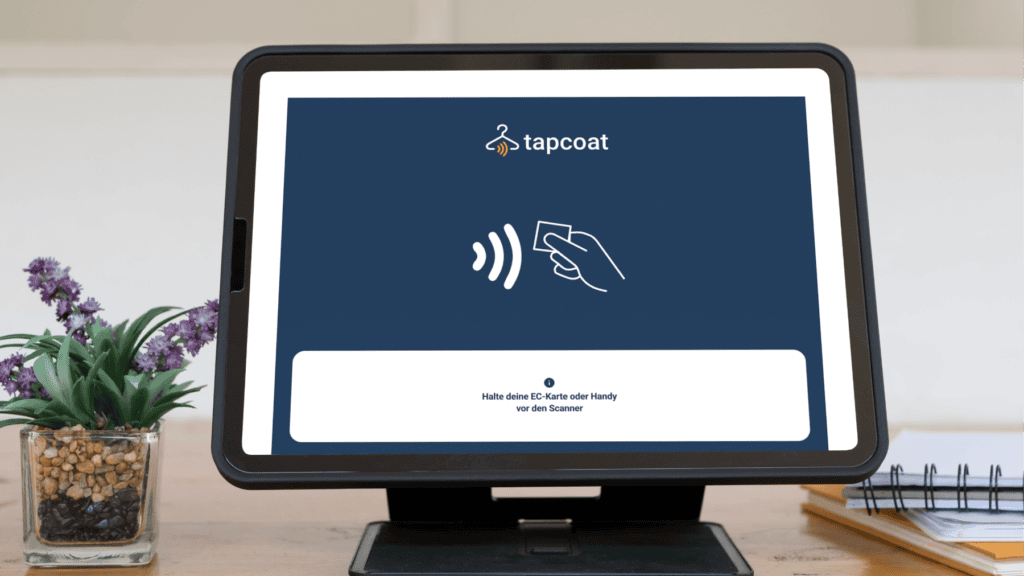
tapcoat uses the codes your guests already have: scan existing ticket codes. With Self Check-in, your team scans an existing code, such as one from the event ticket, and links it to the item. Guests without a ticket receive an internally generated code. Both can be combined at the same event. Read more under external guest management systems.
What your plan includes is shown on the pricing page. At trade shows and in stadiums and arenas in particular, entry and cloakroom meet on a large scale.
Want to think about entry and cloakroom together? Sign up for tapcoat for free and test the process at your next event.